
Gommeok: A Heartwarming Soup That Brings Comfort in Every Bite

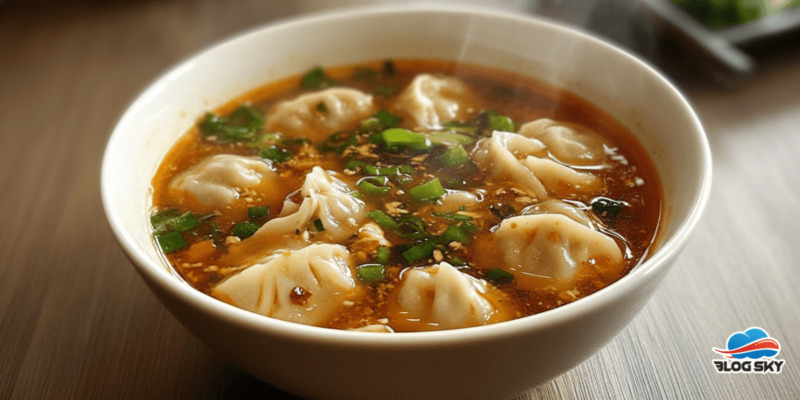
Gommeok is a traditional Korean soup renowned for its rich, milky broth and comforting qualities. Often mistaken for similar dishes like gomtang or seolleongtang, gommeok stands out due to its unique preparation and cultural significance. This dish is not merely a meal but a symbol of warmth and care, often served during special occasions and family gatherings.
Quick Bio
| Attribute | Details |
|---|---|
| Dish Name | Gommeok |
| Origin | Korea |
| Type | Soup |
| Main Ingredients | Beef bones, brisket, garlic, radish, onions |
| Preparation Time | 12+ hours |
| Served With | Steamed rice, kimchi, kkakdugi |
| Health Benefits | Joint health, skin elasticity, immune boosting |
| Cultural Significance | Symbol of warmth, care, and family gatherings |
| Typical Occasions | Winter, family meals, celebrations |
| Taste Profile | Rich, savory, comforting, mildly seasoned |
| Cooking Method | Slow simmering |
What is Gommeok?
Gommeok, also known as gomtang, is a Korean beef bone soup made by simmering various beef parts such as bones, brisket, and sometimes intestines, for extended periods. The result is a clear, milky-white broth that is both hearty and soothing. Unlike its counterparts, gommeok is typically seasoned at the table, allowing individuals to adjust flavors to their preference.
The Preparation Process
The preparation of gommeok is an art that requires patience and attention to detail. Beef bones are thoroughly cleaned and soaked to remove impurities. They are then simmered for over 12 hours, extracting deep flavors and nutrients. Additional ingredients like garlic, onions, and radish are added to enhance the taste, though the soup is not heavily seasoned during cooking. This method ensures a rich, clear broth that forms the base of the dish.
Cultural Significance
In Korean culture, gommeok holds a special place. It is often associated with celebrations and family gatherings, symbolizing warmth and togetherness. The slow-cooked nature of the soup reflects the care and time invested in preparing a meal for loved ones. Serving gommeok is a gesture of hospitality and affection, making it more than just a dish but a cultural experience.
Health Benefits
The long simmering process of gommeok extracts collagen and minerals from the beef bones, resulting in a broth rich in nutrients. Consuming this soup is believed to support joint health, improve skin elasticity, and boost the immune system. Additionally, the clear broth is easy on the stomach, making it suitable for those recovering from illness.
Serving Suggestions
Gommeok is traditionally served with a bowl of steamed rice and accompanied by kimchi or kkakdugi (fermented radish). The soup is poured over the rice, allowing the flavors to meld together. Seasonings such as salt, pepper, and green onions are provided at the table, enabling each person to customize their bowl to their liking.
Variations of Gommeok
While the traditional gommeok is made with beef bones, variations exist based on regional preferences and available ingredients. Some versions incorporate different cuts of beef, while others may include additional vegetables or spices to alter the flavor profile. Despite these variations, the essence of gommeok remains the same: a comforting, nourishing soup that brings people together.
Conclusion
Gommeok is more than just a soup; it is a testament to Korean culinary traditions and the importance of family and community. Its rich flavors, cultural significance, and health benefits make it a dish worth experiencing. Whether enjoyed on a cold winter’s day or during a festive gathering, gommeok offers warmth and comfort in every bite.
FAQs
1. What is Gommeok?
Gommeok is a traditional Korean soup made by simmering beef bones and meat for an extended period to create a rich, milky-white broth. It’s commonly enjoyed as a comforting, nourishing meal, especially during colder months or family gatherings.
2. How do you make Gommeok?
To make gommeok, beef bones are cleaned and boiled for hours to extract the flavors. Ingredients like garlic, onions, and radish are added for depth. The broth is typically served with steamed rice and seasoned to taste with salt, pepper, and green onions.
3. What are the health benefits of Gommeok?
Gommeok is rich in collagen, minerals, and nutrients that support joint health, improve skin elasticity, and boost immunity. The broth is also gentle on the stomach, making it ideal for those recovering from illness.
4. Can I make a vegetarian version of Gommeok?
While traditional gommeok uses beef bones, you can substitute with vegetable stock and add mushrooms or tofu for a vegetarian version. It won’t have the same depth, but it will still offer a hearty, comforting soup.
5. Why is Gommeok considered a comfort food?
Gommeok is more than just a meal—it’s a symbol of warmth and care. The slow cooking process and the rich, soothing broth make it a perfect comfort food, especially when shared with family and loved ones.
For More Update and Stories Visit: Blogsky.co.uk